
 Wendy Widder
If someone or something has ever put the fear of God in you, it likely wasn’t a positive experience. And you’d be happy if it never happened again. That cultural idiom is resoundingly negative. But the Bible calls the fear of the Lord the beginning...

Wendy Widder writes, "The book of Daniel is an attention-grabber with its compelling stories and shocking visions of the future. If all this weren’t enough, the book also features God-fearing characters who provide shining examples of how to live in...

We learn our first language with relative ease. It’s only when we study a second or third language that we can begin to appreciate language’s complexity. Even if we master the vocabulary, grammar, and syntax of another language, we will still...
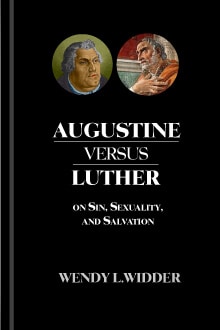
Augustine and Luther agreed on many things, but the different ways they understood the first sin, its consequences, and its remedy continue to shape Protestant beliefs about sexuality and marriage. Augustine and Luther’s diverging beliefs For...
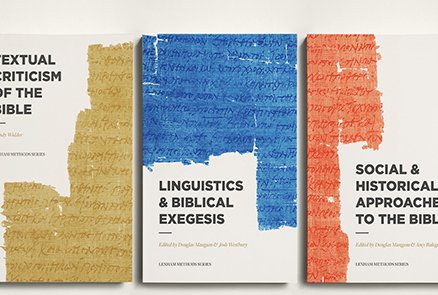
Have you ever wondered why various versions of the Bible read differently? For example, why does Romans 8:1 in the King James Version include a phrase that’s not in the New American Standard Bible or the New International Version? Did it get added...